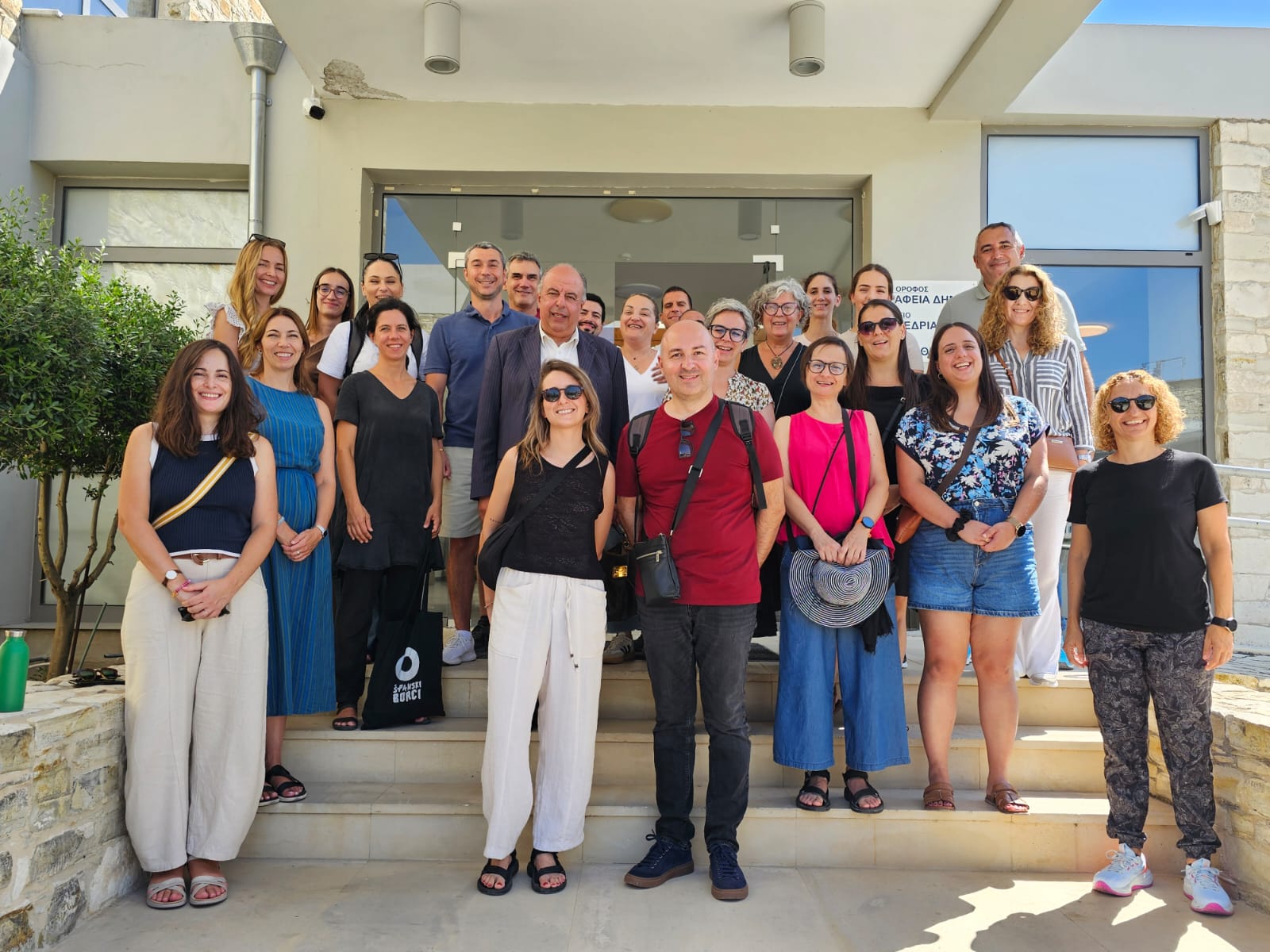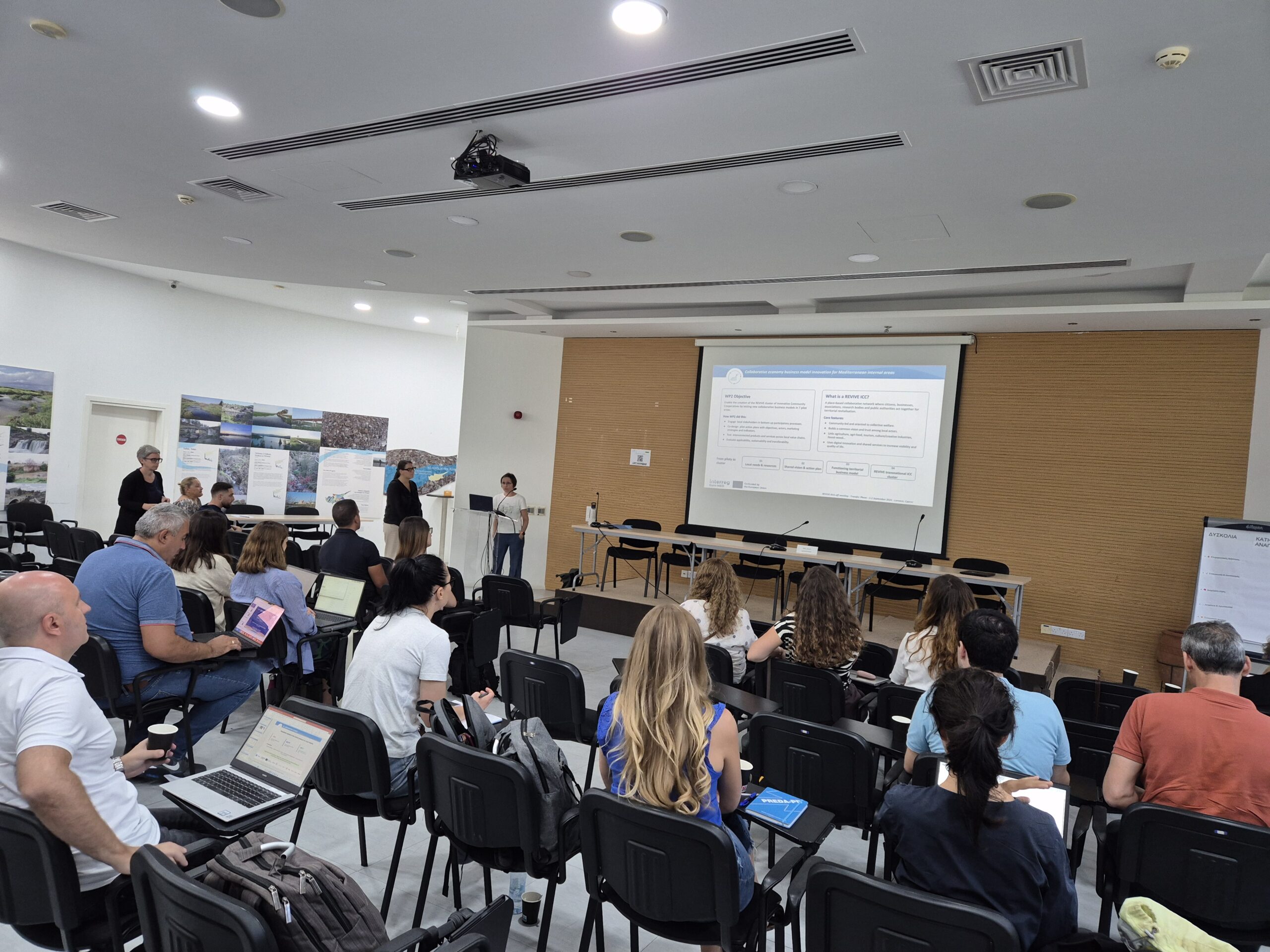

The REVIVE partnership met in Larnaca, Cyprus, on 1–2 September 2026 to launch the project’s Transfer Phase. Hosted by ANETEL, the two-day programme brought partners together to review the results of the Testing Phase and agree how proven approaches will be adapted for new rural and internal areas across the Mediterranean.
ANCI Toscana and CNR presented the REVIVE Territorial Business Model, developed through seven pilot territories. Their experience showed that successful Innovative Community Cooperatives depend less on a single legal structure than on trusted local facilitators, strong stakeholder participation, a shared territorial identity, capacity building and practical solutions tailored to local needs.
MCC also highlighted the role of digital innovation. Across the pilots, communities tested digital laboratories, AI, virtual and augmented reality, 360° video, digital storytelling, online platforms and smart agricultural applications. The central lesson was clear: technology delivers the greatest value when it is accessible, supported by training and connected to community priorities.
Eight territories prepare to adapt the REVIVE model
The Transfer Phase will work with eight receiver territories: Rural Limassol in Cyprus; Raiguer in Mallorca, Spain; Maleshevo in North Macedonia; Chios in Greece; Gorenjska in Slovenia; Gorski Kotar in Croatia; Alentejo Central in Portugal; and the rural area of Prijedor in Bosnia and Herzegovina.
Each territory will first complete a common territorial diagnosis covering its economy, policy context, stakeholder ecosystem, challenges, opportunities and existing community initiatives. Local four-helix stakeholders, from public authorities, business, research and education, and civil society will then validate the findings and identify priorities for transfer through local workshops.
Shared challenges, distinctive assets
Although the receiver territories differ in geography and economic structure, their presentations revealed common pressures: population decline, ageing, youth outmigration, fragmented rural businesses, climate risks, mobility constraints and uneven digital capacity. At the same time, each territory brings valuable foundations for renewal, including cooperative traditions, active local networks, cultural heritage, agriculture, forestry, food production, crafts and sustainable tourism.
Promising areas for transfer include collaborative governance, collective branding, stronger local value chains, rural business diversification, climate resilience, digitalisation, youth entrepreneurship and experience-based tourism. Rather than replicating a single model, REVIVE will combine tested solutions with the specific assets and needs of each place.
Matching needs with tested experience
Once the territorial analyses are validated, each receiver territory will be matched with one main giver territory and at least one additional giver. This approach will allow territories to draw on several relevant experiences instead of copying a single pilot. The matching process is expected to be completed by the end of November 2026.
Tailored capacity building and mentoring will follow, drawing on materials related to the Territorial Business Model, cooperative governance, community services, territorial branding, local value chains, digital laboratories, immersive technologies and innovation uptake. Mentors will adapt examples, tools and templates to the priorities of each receiver territory.
Building visibility and wider impact
The partnership also reviewed REVIVE’s contribution to the Interreg Euro-MED Innovative Sustainable Economy Mission, including policy work, the Industrial Transition Thematic Working Group and the Mentoring & Twinning Programme. Future opportunities include the ISE Innovation Camp and possible use of REVIVE as a Euro-MED Academy case study.
Partners agreed to keep communication focused on the transfer of tested solutions, progress in the eight receiver territories, stakeholder involvement and the wider impact of REVIVE. They will continue sharing local stories, photographs and updates through the project website and social media, while maintaining the required financial, technical and carbon-footprint reporting.
Seeing rural innovation in practice
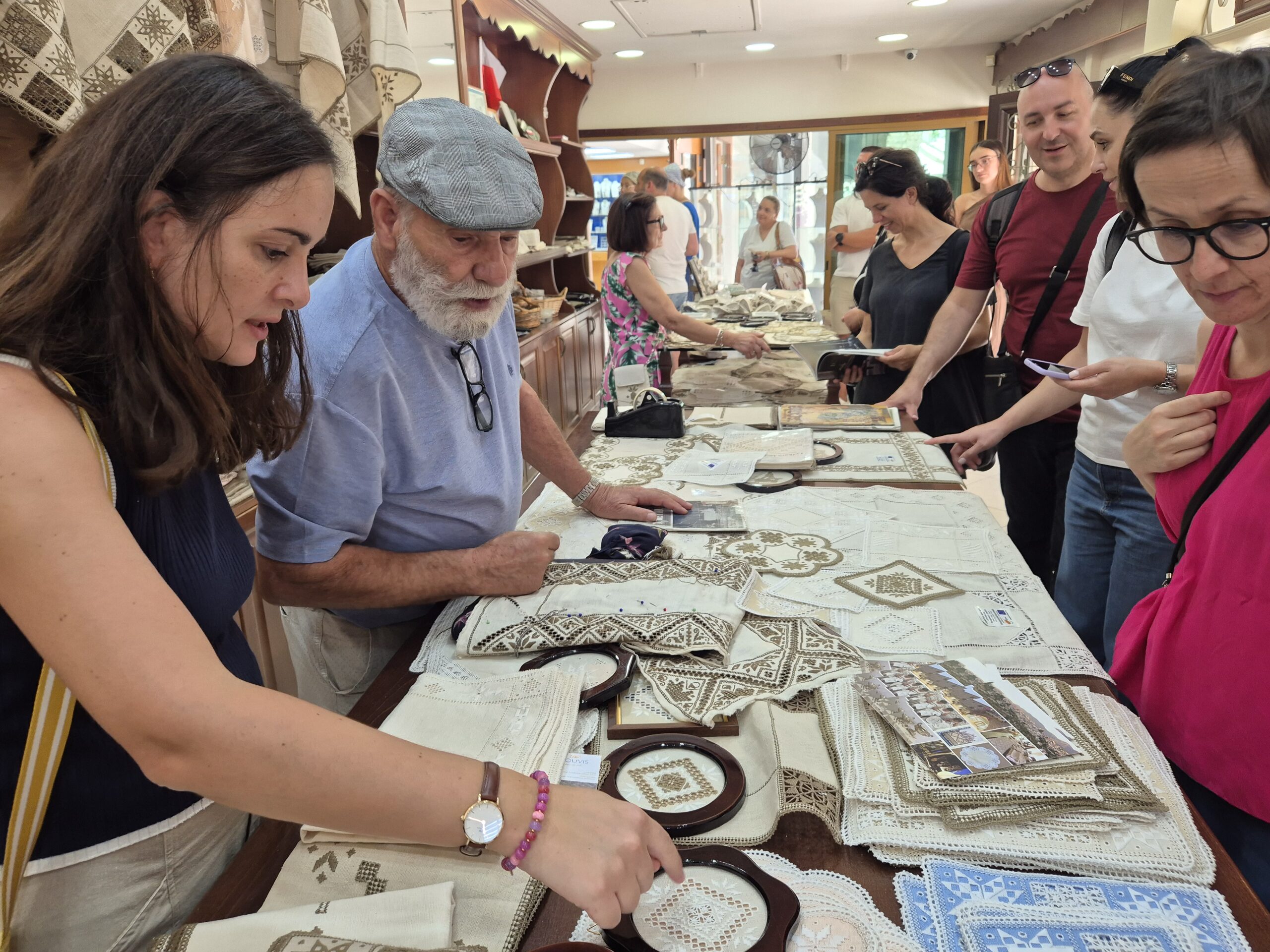
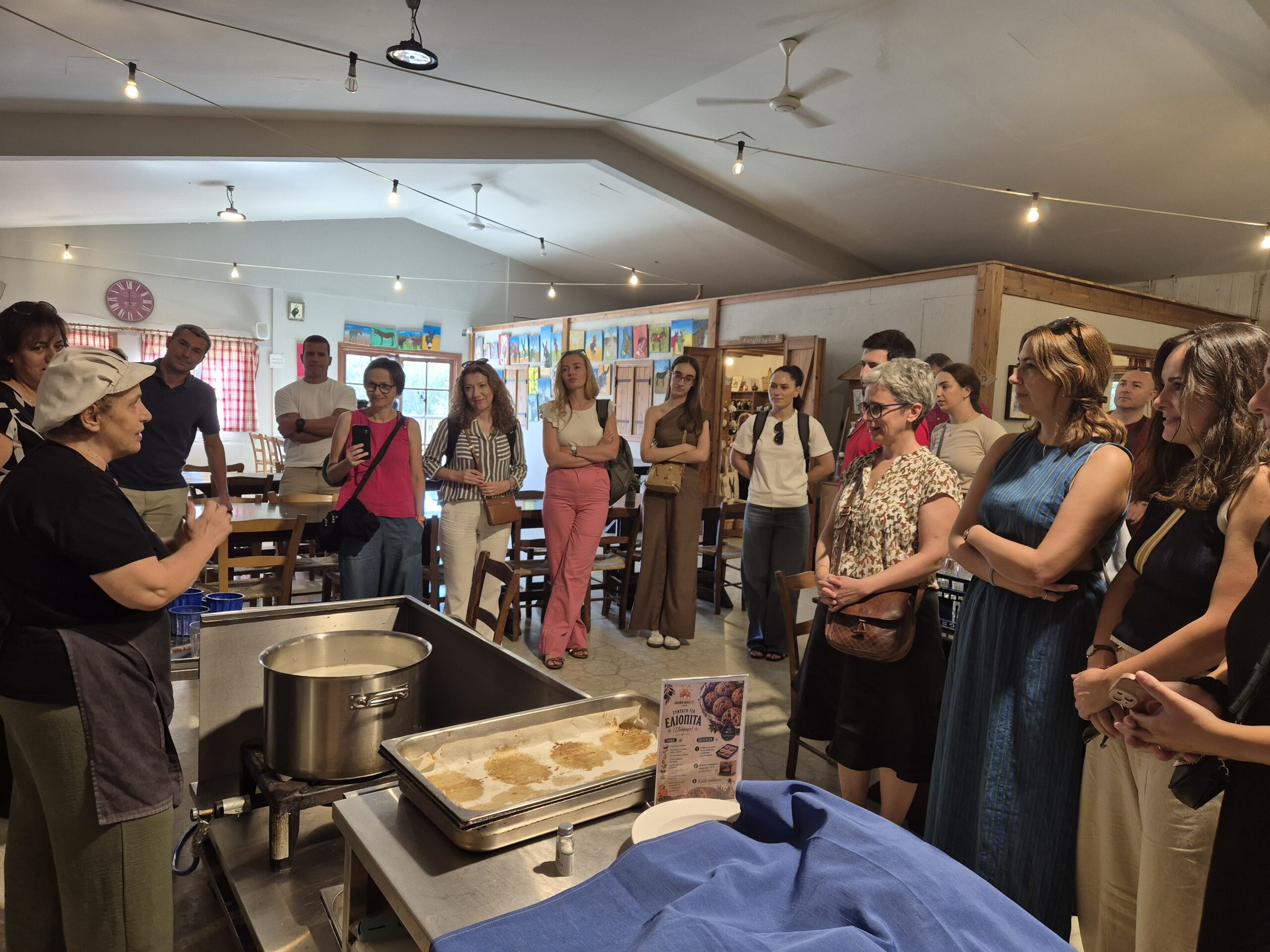
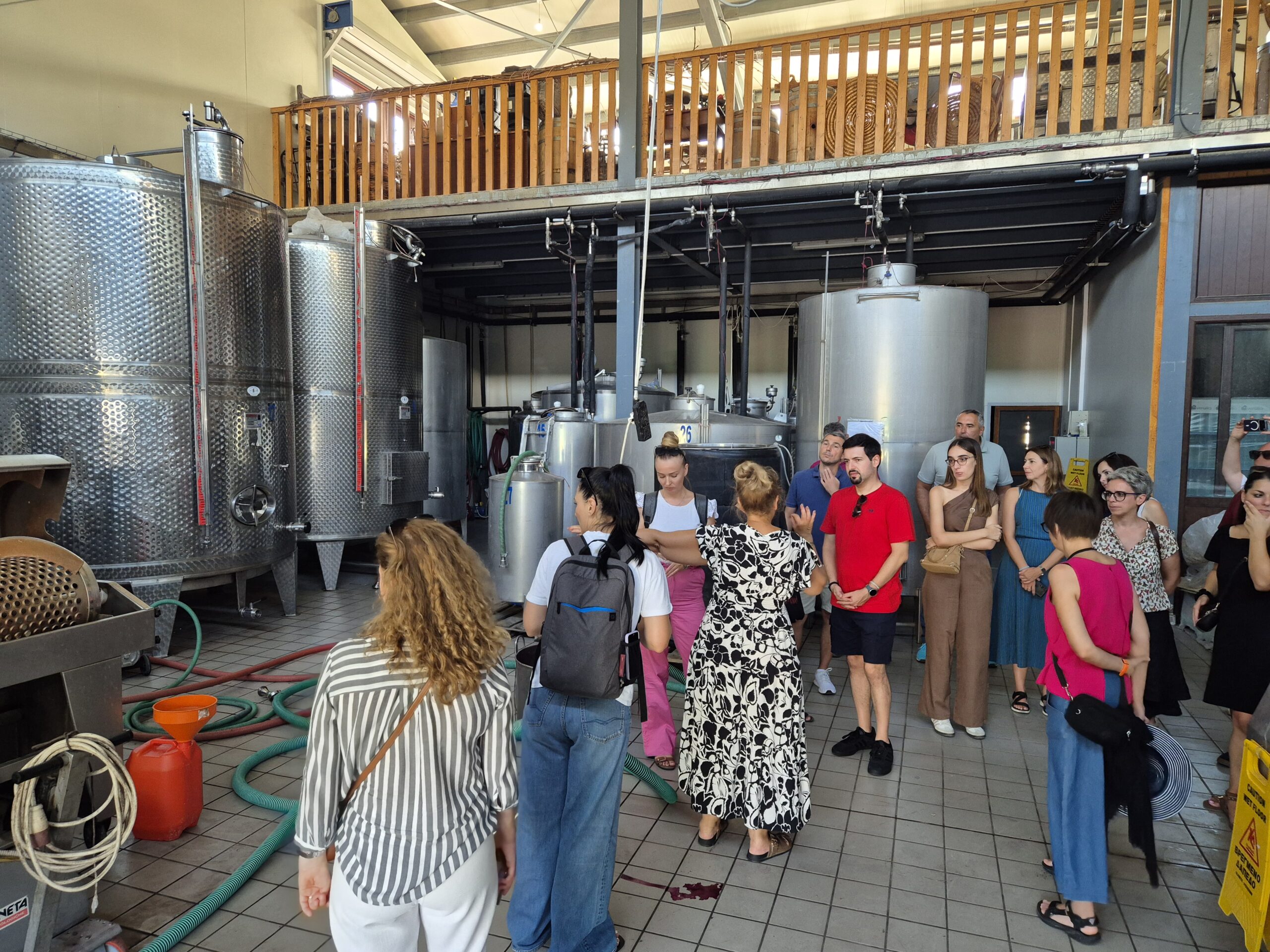
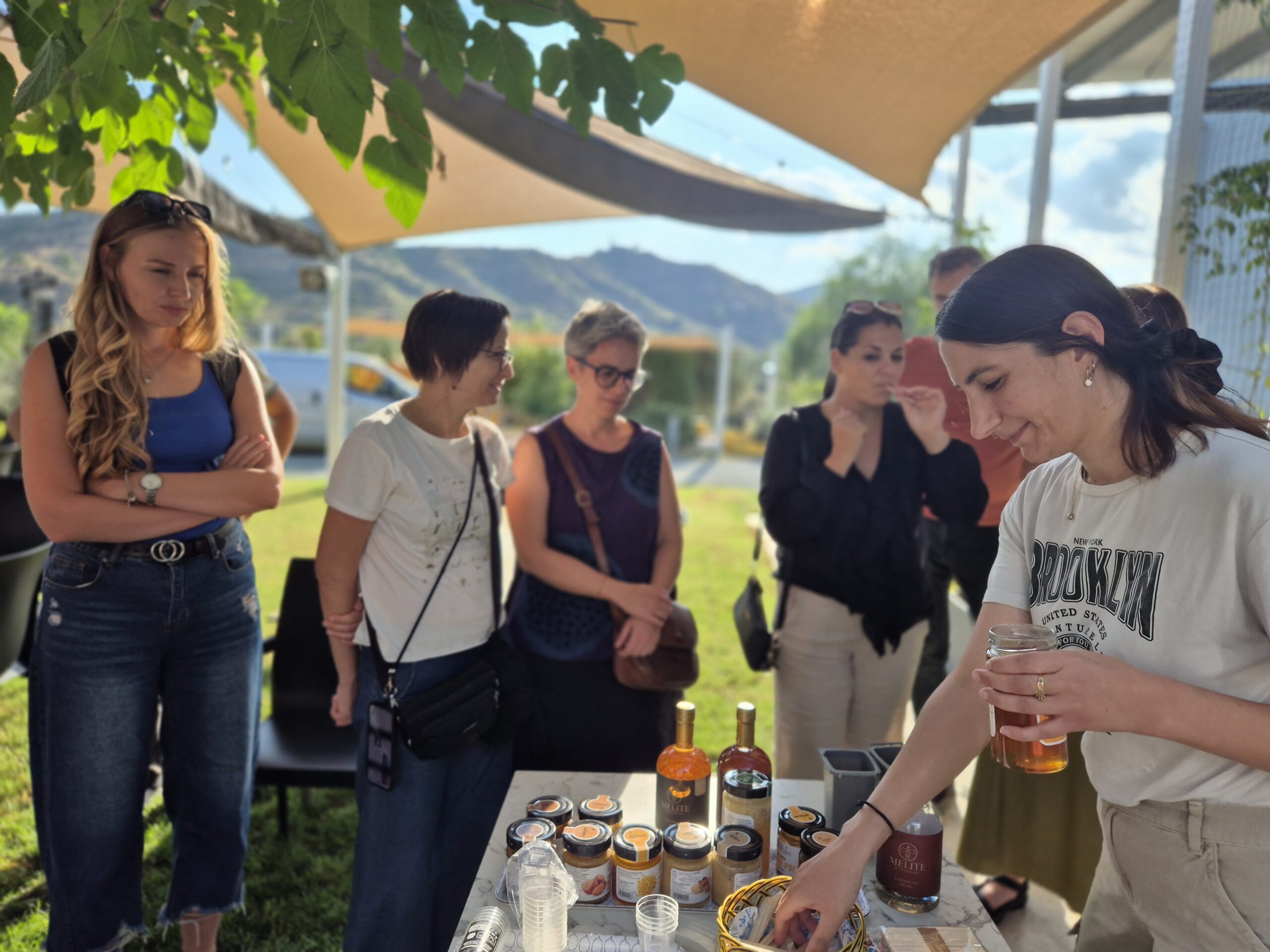
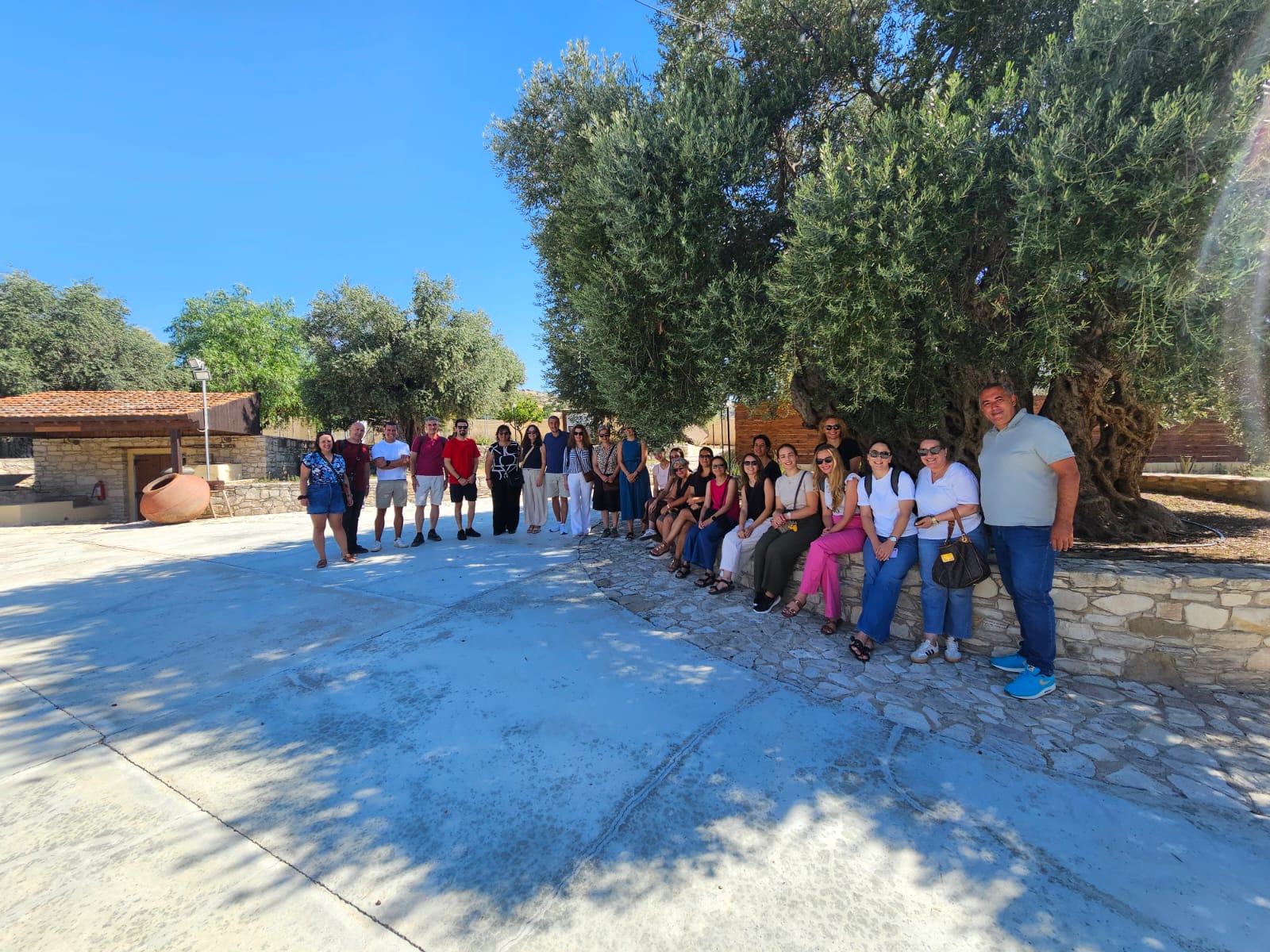
Study visits across the Larnaca region brought the discussion to life. Participants explored rural enterprises and communities in Agioi Vavatsinias, Oros Machaira, Golden Donkeys Farm, Pano Lefkara, Ktima Christoudia Winery and Ecophysis Bee & Nature Center.
Through demonstrations, tastings and hands-on activities, the visits showed how agriculture, gastronomy, crafts, heritage, tourism and small-scale entrepreneurship can be combined into attractive rural experiences. These examples reflected the integrated, community-based approach that REVIVE now aims to transfer across the Mediterranean