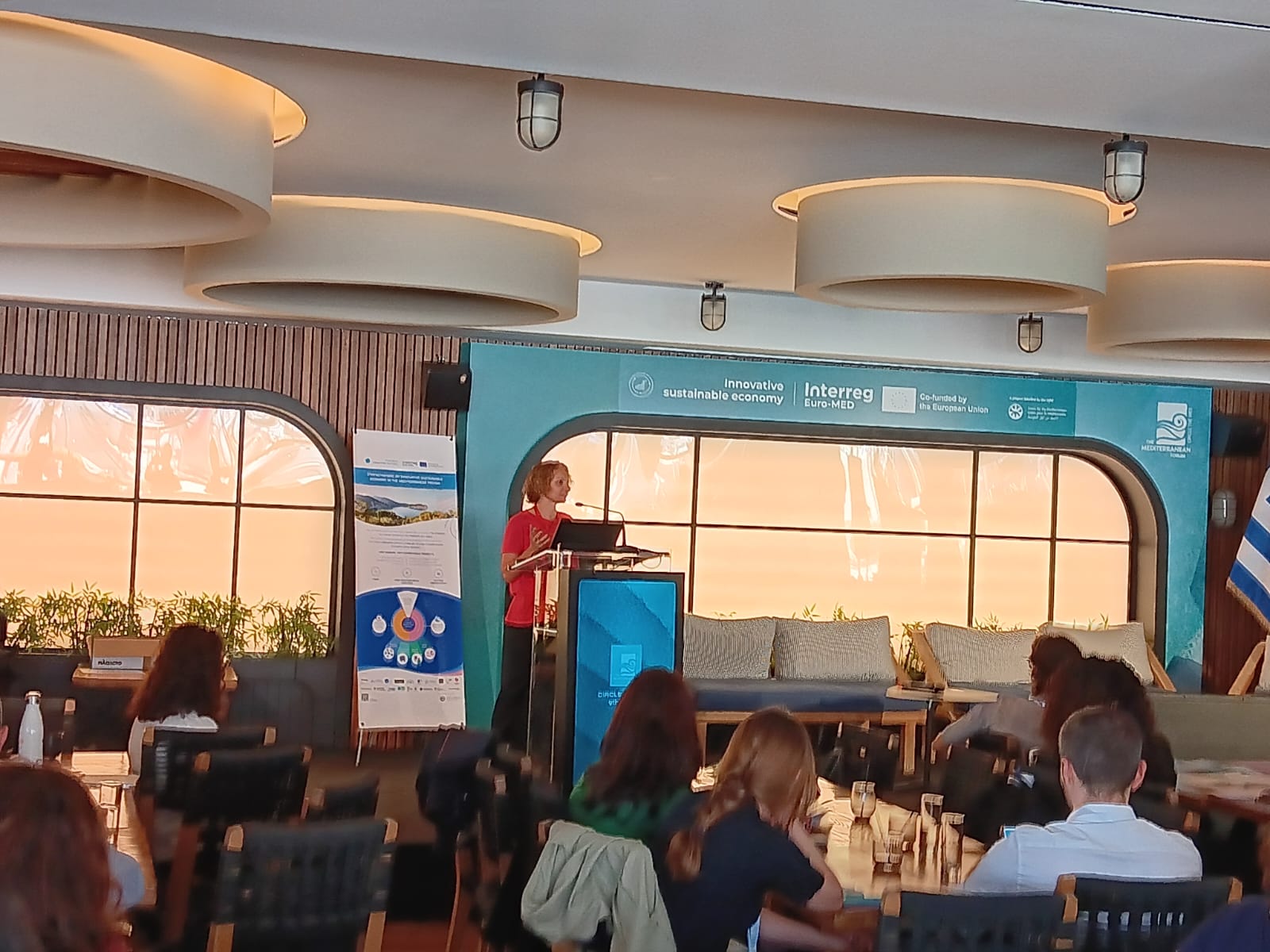
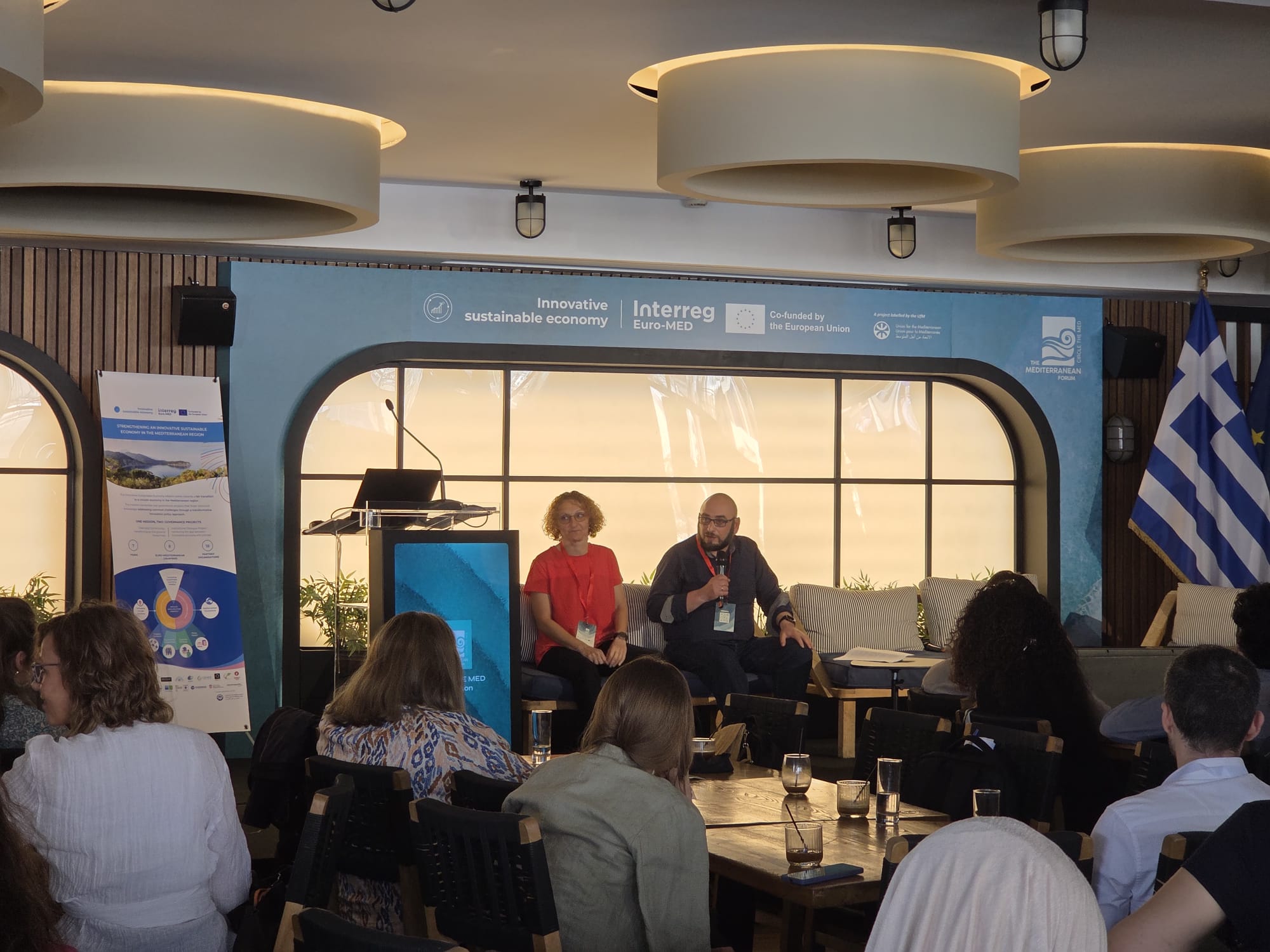
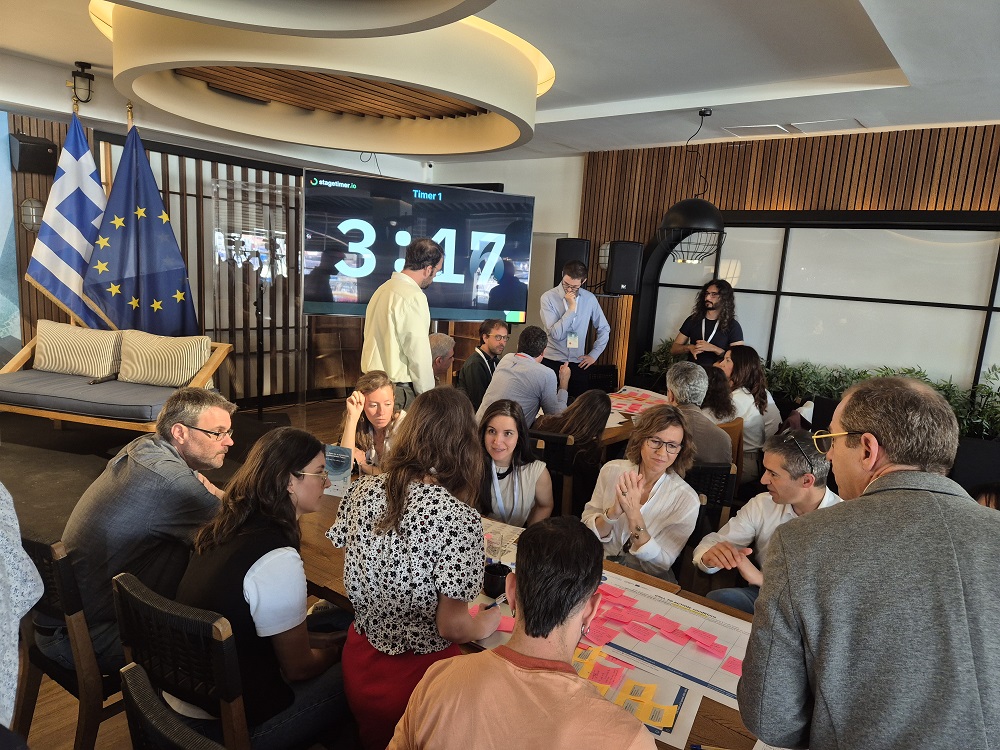
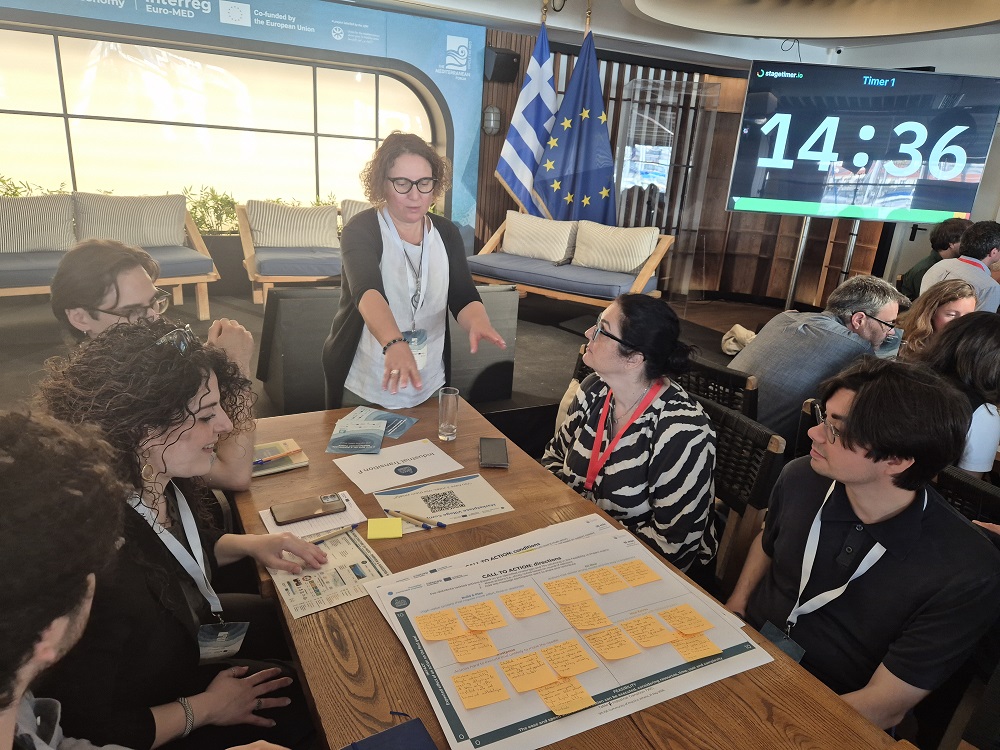
At the 5th Innovative Sustainable Economy (ISE) Community of Practice gathering in Athens, the REVIVE project showcased the progress of its Mentoring & Twinning Programme in collaboration with AgroID Social Cooperative Enterprise (SCE).
Together, we are turning cross-border innovation into practical solutions for rural communities in Crete.
🔄 Key actions of the Mentoring & Twinning Programme:
• Co-developing a tailored action plan to test and apply the REVIVE methodology in Crete
• Organizing technical meetings and knowledge exchanges to address local challenges and align goals
• Reviewing rural policies and best practices to integrate social economy principles into regional development
🚜 How AgroID is applying the REVIVE Framework in Crete:
• Designing resilient, short agri-food supply chains through stakeholder engagement and co-creation
• Developing a long-term transformation roadmap for 2026–2034, from preparation and pilot projects to full implementation
• Promoting renewable energy communities, circular economy models, and ecosystem protection
• Supporting long-term regional growth with projected impacts including job creation, stronger cooperatives, and higher local value retention
🔮 What’s next?
The next phase will focus on capacity building, mentoring, and specialized training to support the long-term adoption of REVIVE solutions across Crete.
By connecting innovation with local cooperative action, REVIVE and AgroID are helping build more resilient and inclusive rural economies across the Mediterranean.